Early signals · 1996–2026
A living archive of early intuitions, experiments and inventions that anticipated the way design, technology and experience would later converge.
Some were design experiments. Others became part of major industrial stories. Together, they reveal a recurring attitude:
Looking at design as a way to sense what is coming next.
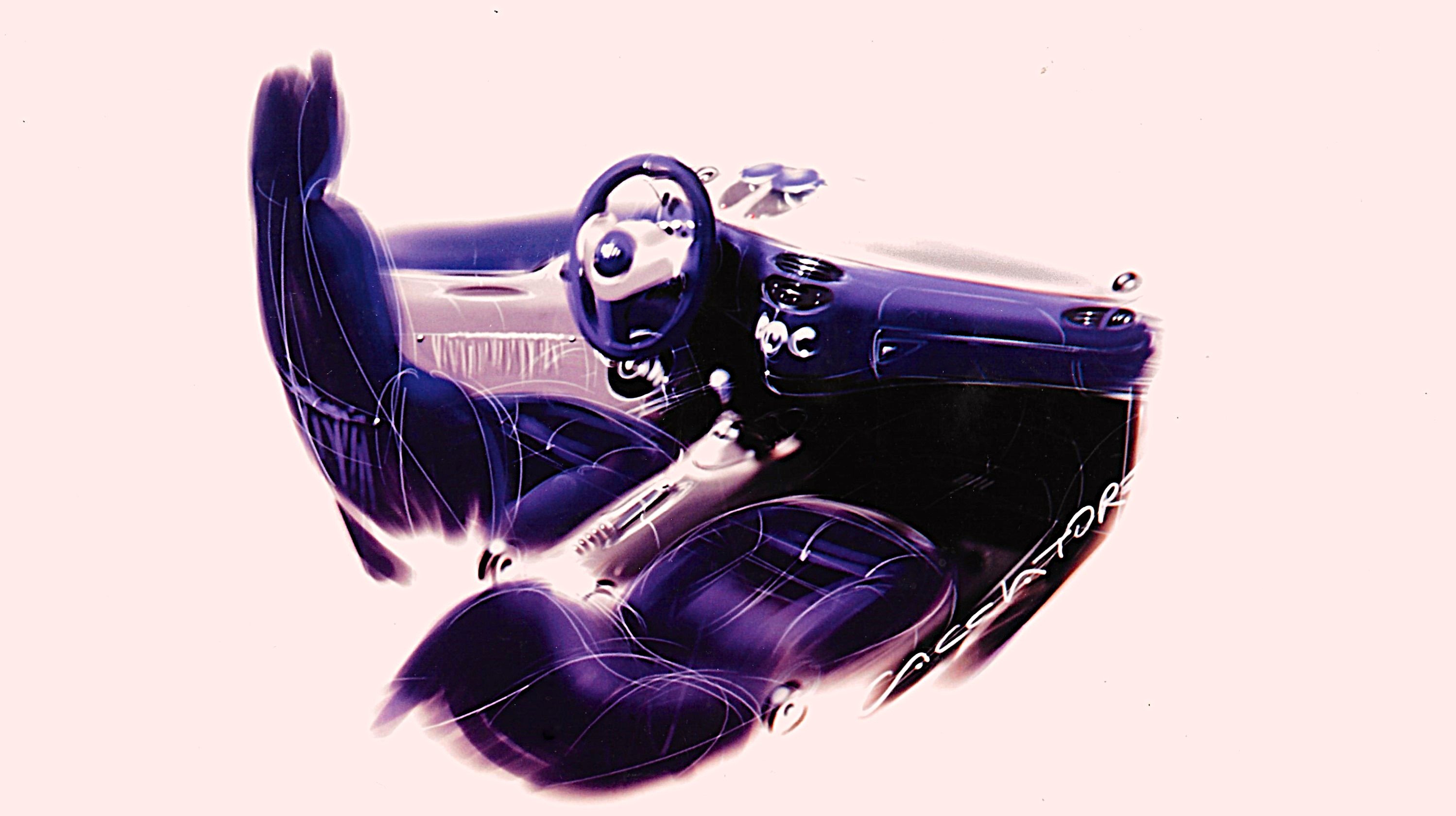
In 1996, during my first professional experience at Centro Stile Fiat, car design was still almost entirely analogue. While 3D modelling was slowly entering the process, freehand sketching with a graphic tablet and computer was still almost unexplored.
In a small computer room, a Paintbox workstation with a massive screen and only three layers had remained almost unused. After several weeks of experimentation, I created what were among the earliest digitally produced automotive interior sketches. They were made for the second-generation Fiat Punto project.
Soon after, I began developing a hybrid 2D/3D workflow to explore colours, materials and finishes with a flexibility that would later become standard in automotive design.
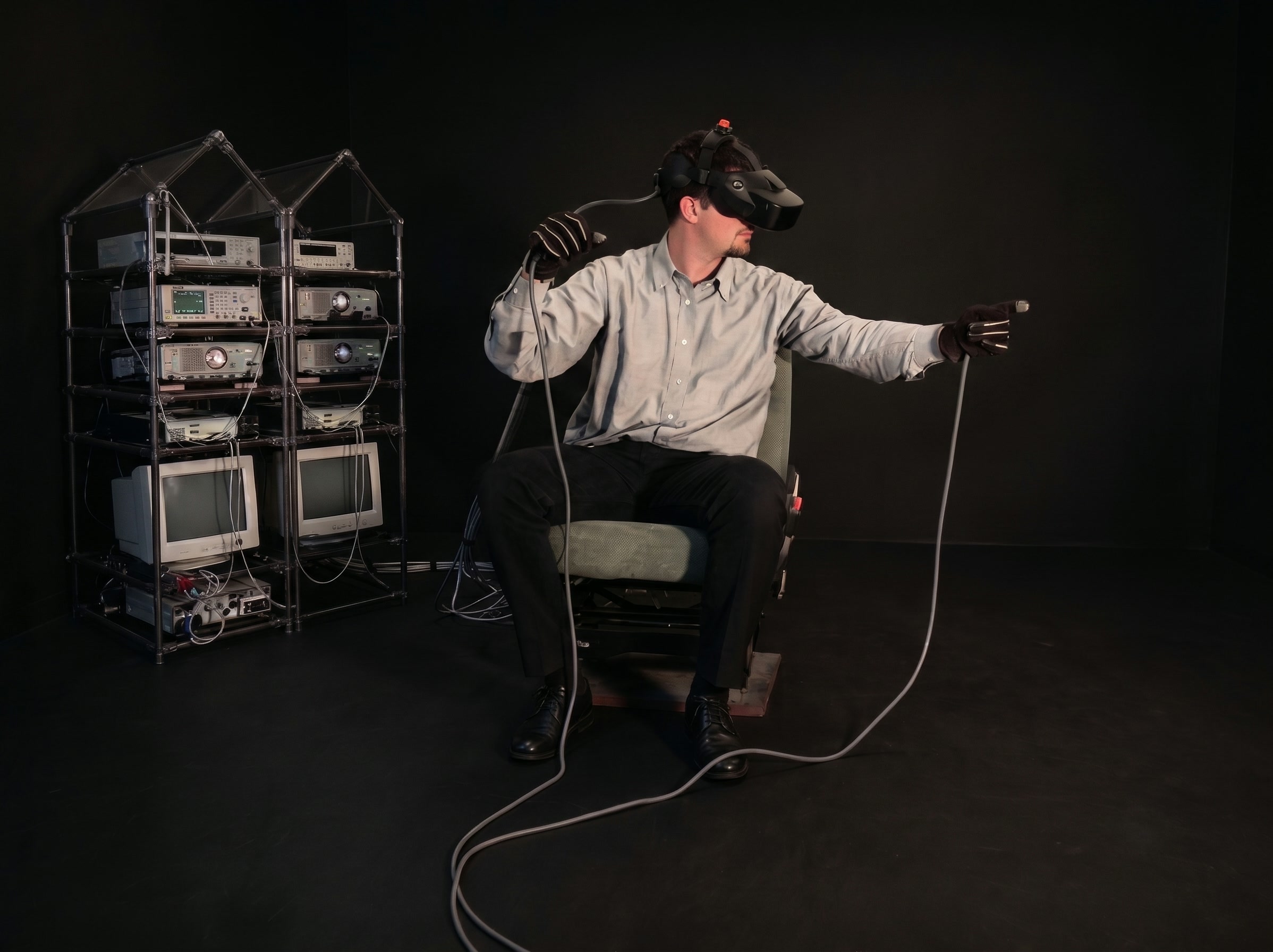
During the second-generation Fiat Panda project, we built a fully digital design process, from early sketches to a 3D presentation for top management in full VR.
With a small team of designers and an external supplier, we created a custom workflow where game-like technologies entered automotive design before modern game engines existed.
Sketch-based textures were applied to lightweight 3D models, creating a real-time, stereoscopic and immersive visualisation with a primitive headset and hand-tracking gloves. This allowed Fiat's CEO to evaluate and select a vehicle concept through an immersive design review.
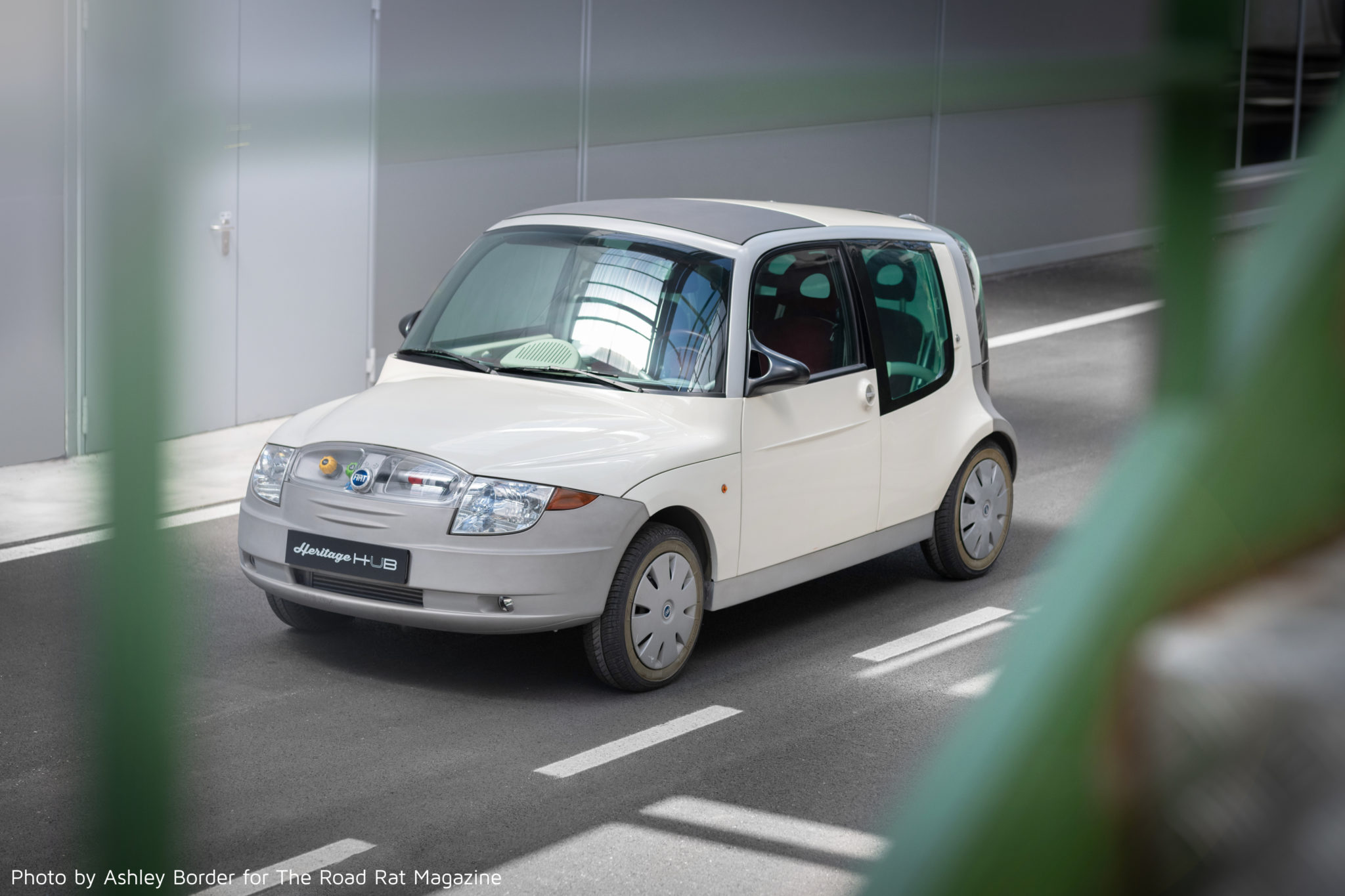
The Fiat Ecobasic won Best Concept Car, Best Interior and Best Design Team at the 2000 Paris Motor Show, as well as the Michelin Cup for low environmental impact vehicles.
Beyond its ecological vision, it was one of the first cars I worked on that clearly shifted the focus from object to experience, before "Experience Design" became part of the automotive vocabulary.
It featured a sealed front hood, with the engine inaccessible to the public, much like modern electric cars, and anticipated the idea of upgrading a car over time through physical components and personal devices, long before smartphones or over-the-air connectivity existed.
A concept car that anticipated an approach that is becoming fundamental today: thinking about the car as a complete user experience, not only as a physical product.
In the early 2000s, car companies were still focused mainly on vehicles as products. The idea of mobility as a service, platform or experience was not yet part of the mainstream conversation.
Within Fiat, and as part of a global initiative involving young designers, I developed Project 01: an early exploration of mobility as a broader system of services, behaviours and experiences.
Inspired by Jeremy Rifkin's The Age of Access, the project anticipated a shift from automobile to mobility, a transformation that later became central to the industry.
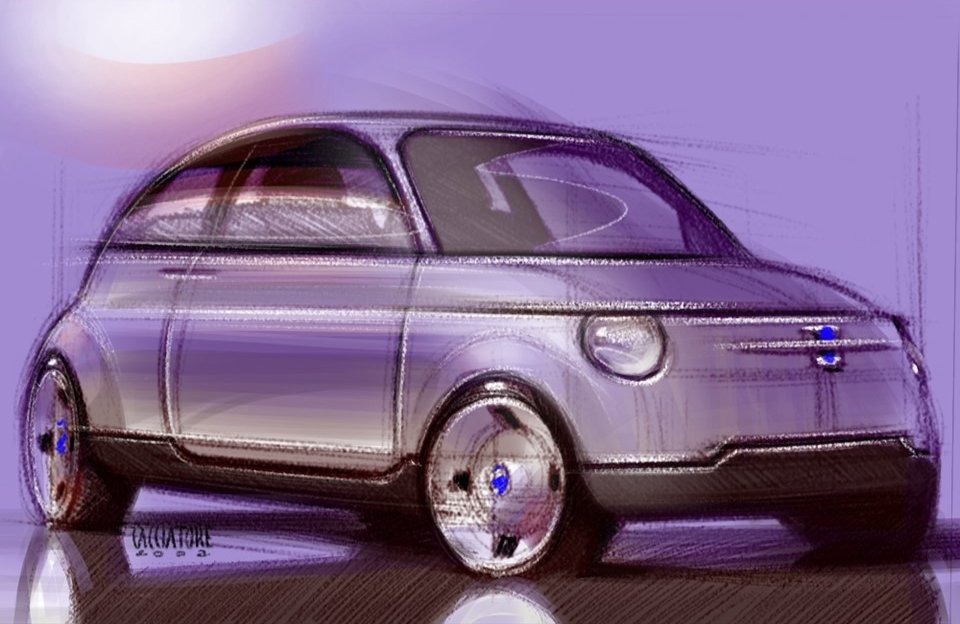
Inside Fiat Advanced Design, I was in charge of a small team called Concept Lab, dedicated to future mobility, advanced design directions and concept cars.
When the approval arrived to start the project that would announce the return of the Fiat 500, then known as Trepiùno, I made the first sketch that opened the internal exploration that same day.
That sketch did not define the entire Fiat 500 project, but it remains a documented starting point, created at the very beginning of a project that later became one of the most important symbols of Fiat's modern history.
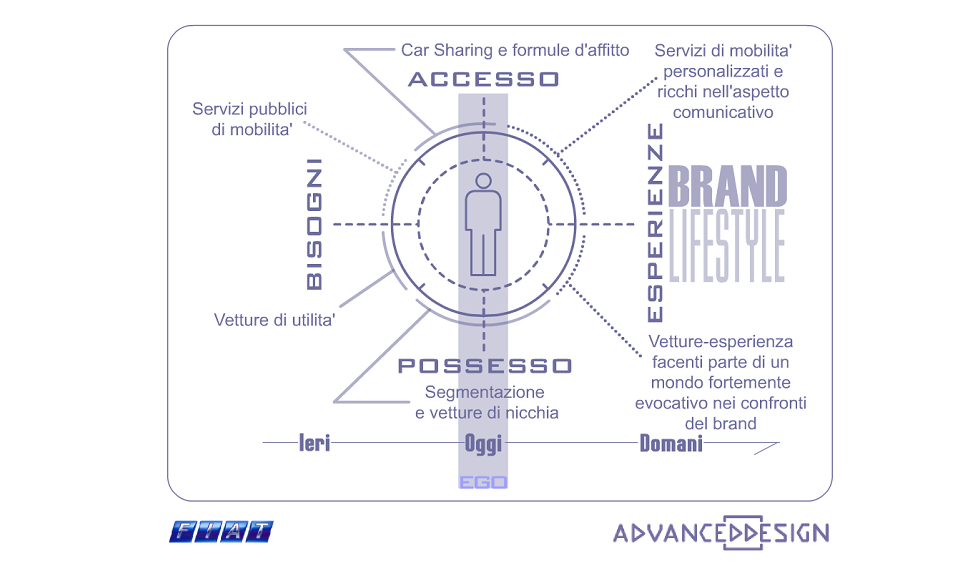
In 2004, Fiat created for me the role of Head of Strategic Design inside Advanced Design, after several years of work on the transition from automobile design to mobility design.
At that time, "Strategic Design" was still an unusual expression inside a car company, where the work was mainly organized around product, engineering, styling and brand.
The role was based on a systemic view of design: not only shaping vehicles, but questioning how products, brands, services and experiences could evolve together. Today, strategic design is increasingly recognized as a way to connect product, experience, technology, brand and business into one coherent vision. In 2004, inside automotive, that position was still radically early.
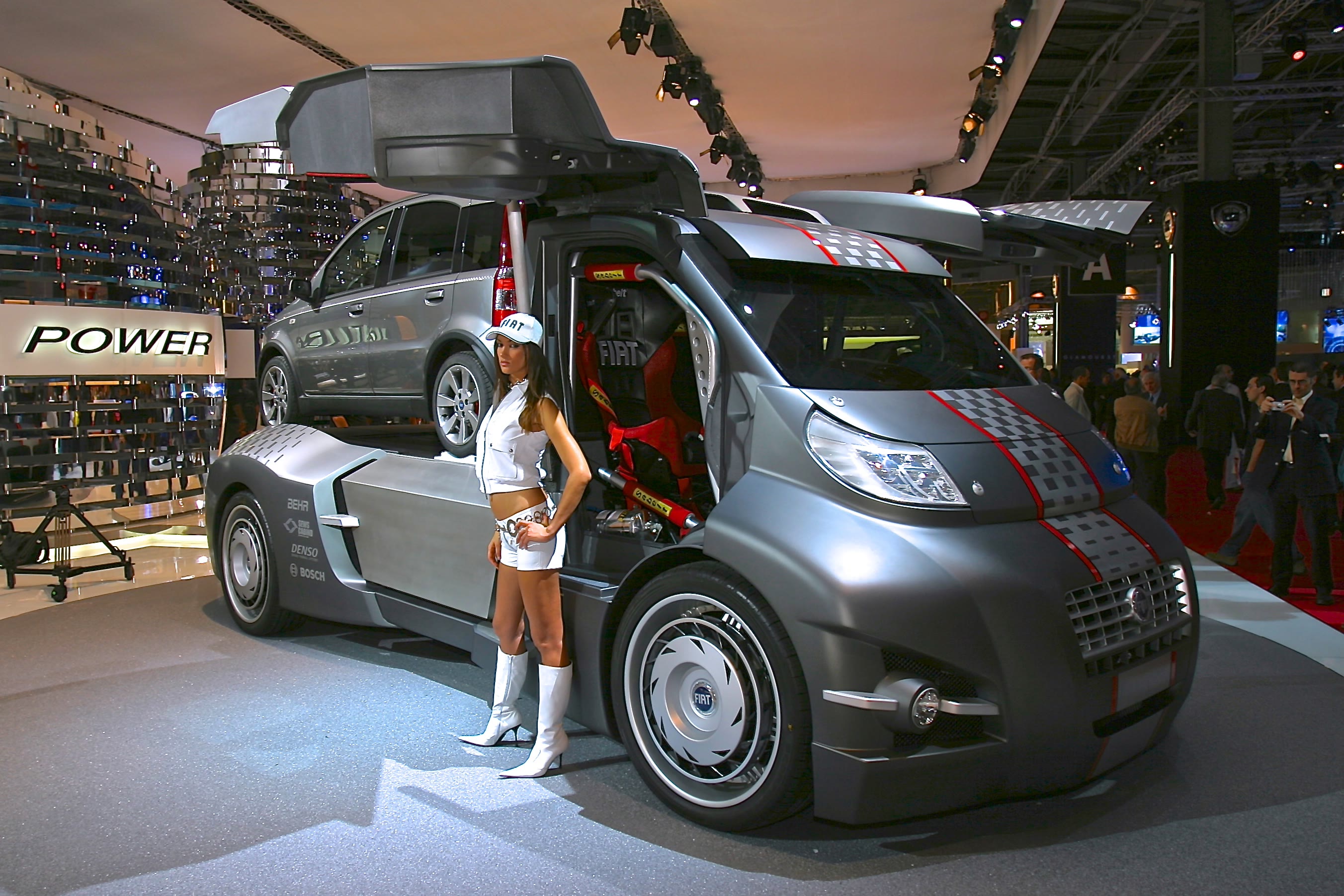
After the production design of the Fiat Ducato, we had the opportunity to create a concept vehicle with very limited time and resources.
The constraint led to an unexpected idea: transforming a commercial van into an extreme racing machine.
The goal was not to prove utility, but to reach new audiences. By turning a work vehicle into a racing object, the concept could appear not only at commercial vehicle shows, but also in racing, tuning and lifestyle contexts. At the time, this kind of radical reinterpretation of a commercial vehicle was still unusual; later, several brands explored similar directions.
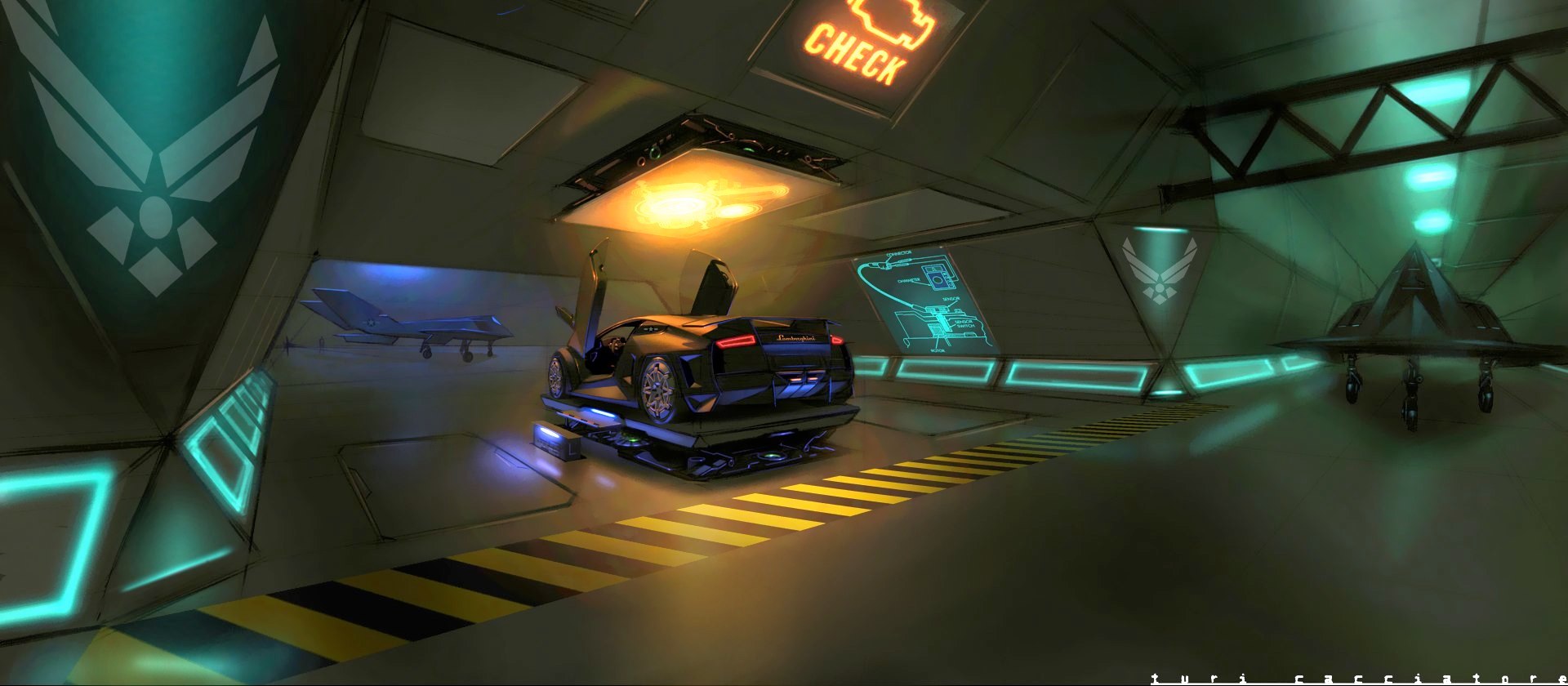
Around 2007, while building my independent practice, I started focusing on entertainment, advertising, video production and gaming.
The idea was to transfer the visual representation skills I had developed in automotive design into fields where workflow speed, graphical atmosphere and emotional storytelling were becoming increasingly important.
At that time, concept art was still relatively small in Europe. This position gave me access to ambitious commercial and promotional projects, where being able to produce detailed, cinematic and emotionally charged visuals in a very short time was a real advantage.
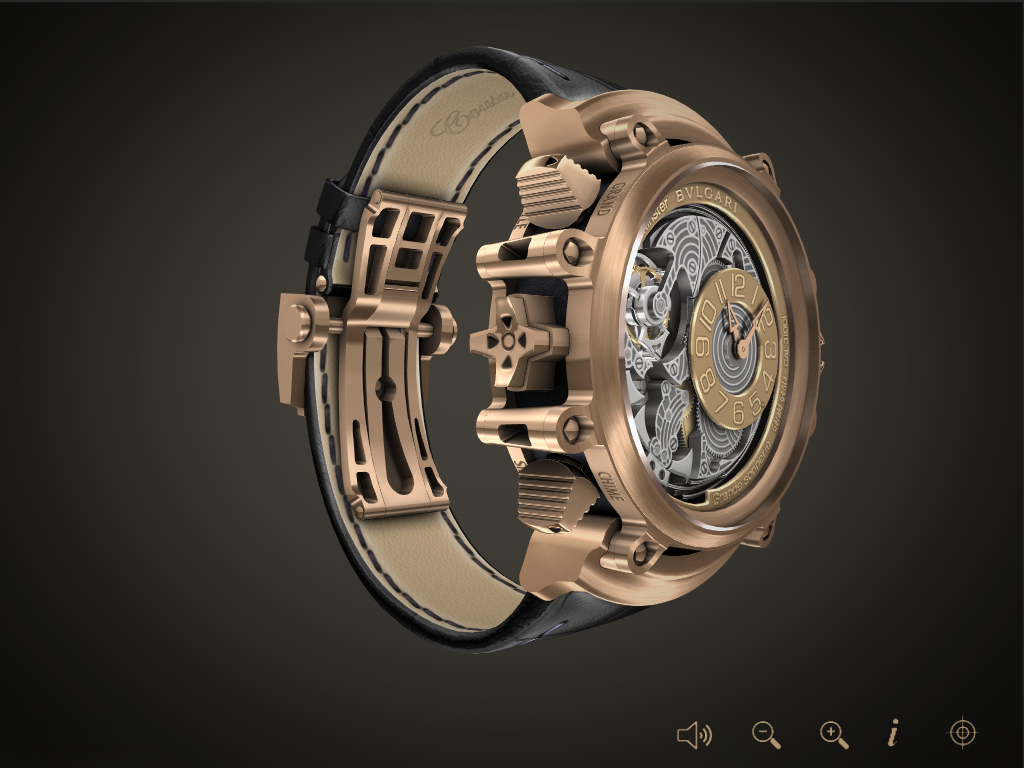
Bulgari Magsonic was an early example of a digital twin in watchmaking, designed to be experienced on a mobile phone.
Originally created for the iPhone 2, it required extreme optimisation because of the severe hardware limitations of the time. The result was a virtual ownership experience of a highly exclusive watch, complete with a virtual safe.
It was also an early meeting point between gaming technology, industrial design and luxury communication, years before real-time 3D became common in product storytelling.
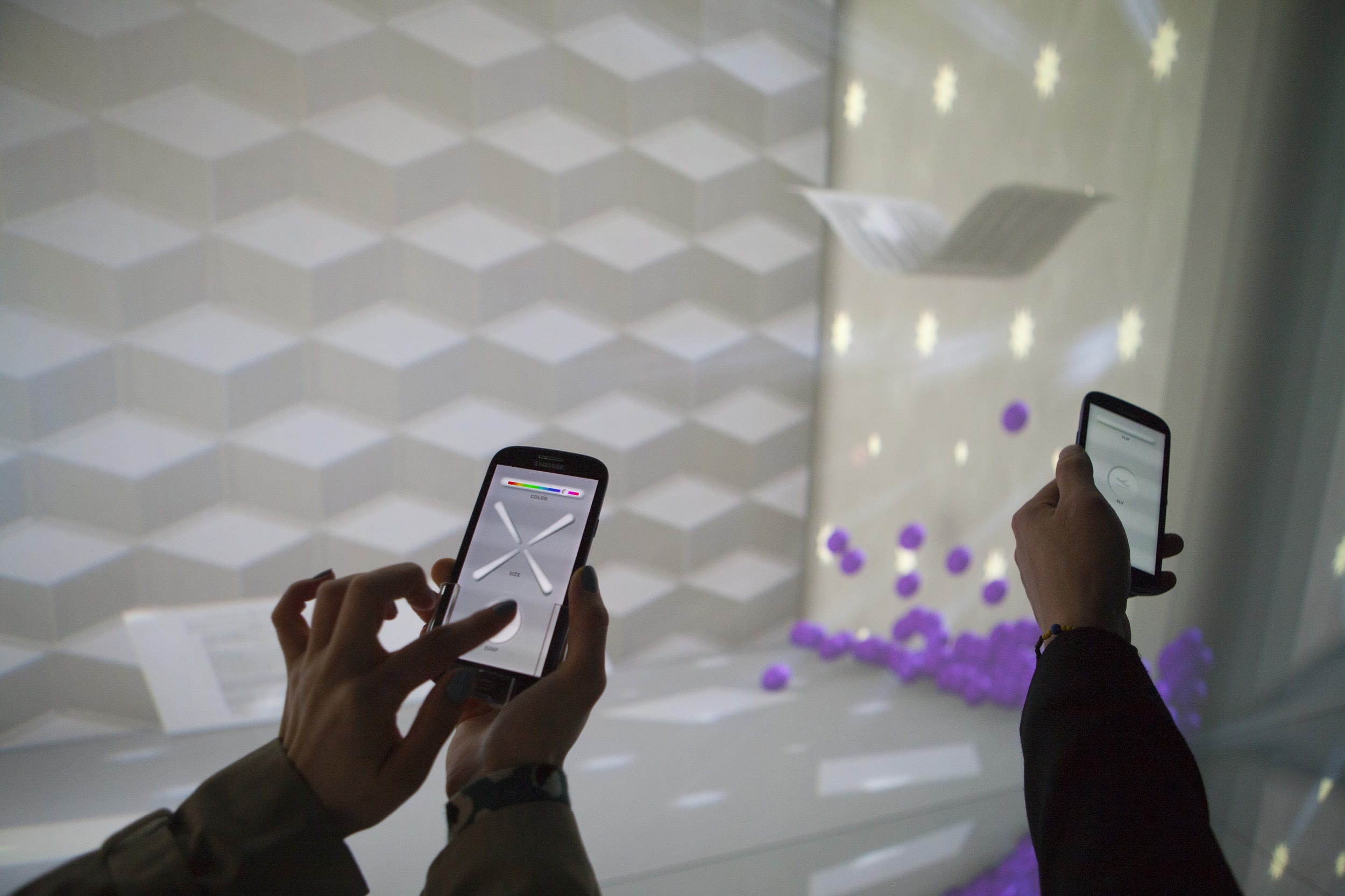
In 2013, I worked with François Confino and Supermaxi Studio on a Samsung installation for Milan Design Week.
The project used two 15-meter rear-projection walls facing each other, creating more than 30 meters of interactive visual environment.
Visitors interacted with real-time graphic scenarios using smartphones. NFC tags on the projection surface triggered specific actions, while the phone's accelerometer and touch screen controlled animated elements in real time. For me, it remains an early example of immersive interaction, real-time graphics and physical space becoming a single experience.
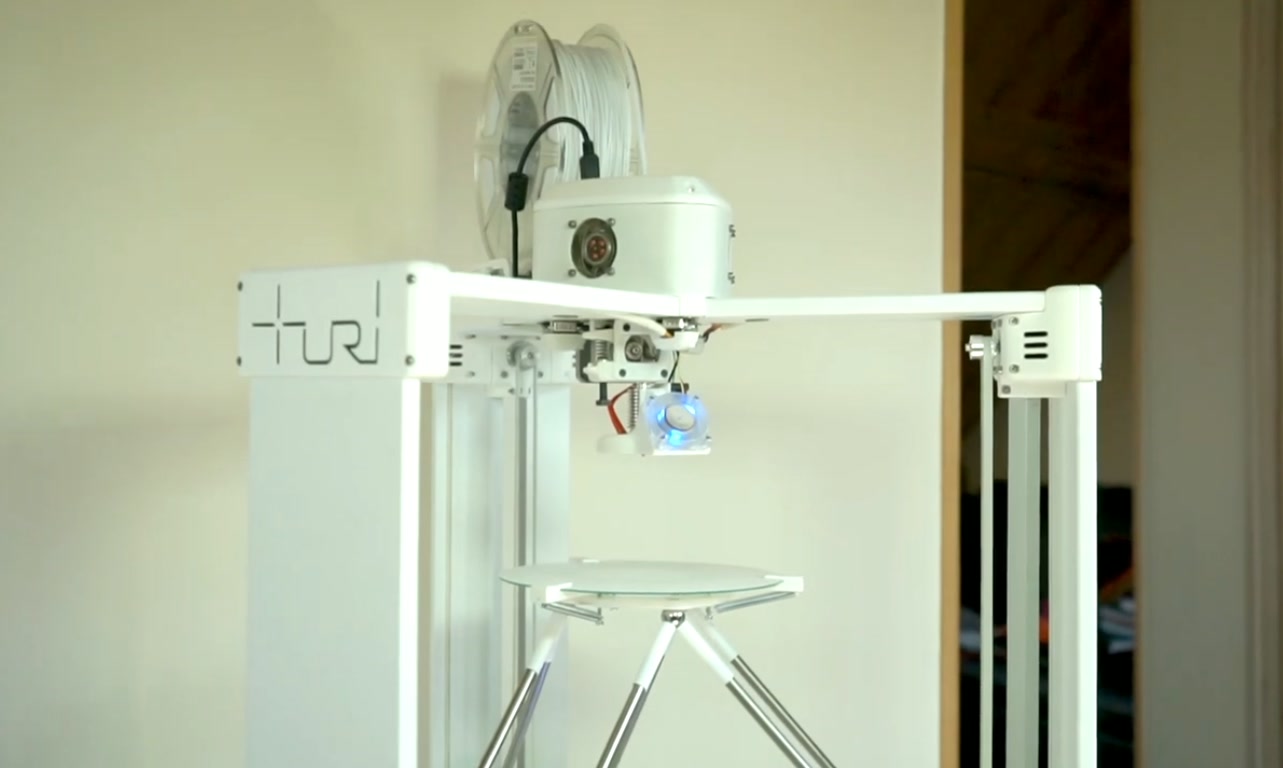
Before consumer FDM 3D printing became widely known, I started exploring its potential for design and prototyping.
Disappointed by the machines available at the time, I decided to build my own. The project was based on the Rostock concept, but I developed my own interpretation, focused on structure, protection and usability.
The project became a turning point in my practice: the first time I studied electronics, firmware and embedded systems in depth, connecting design more directly with engineering.
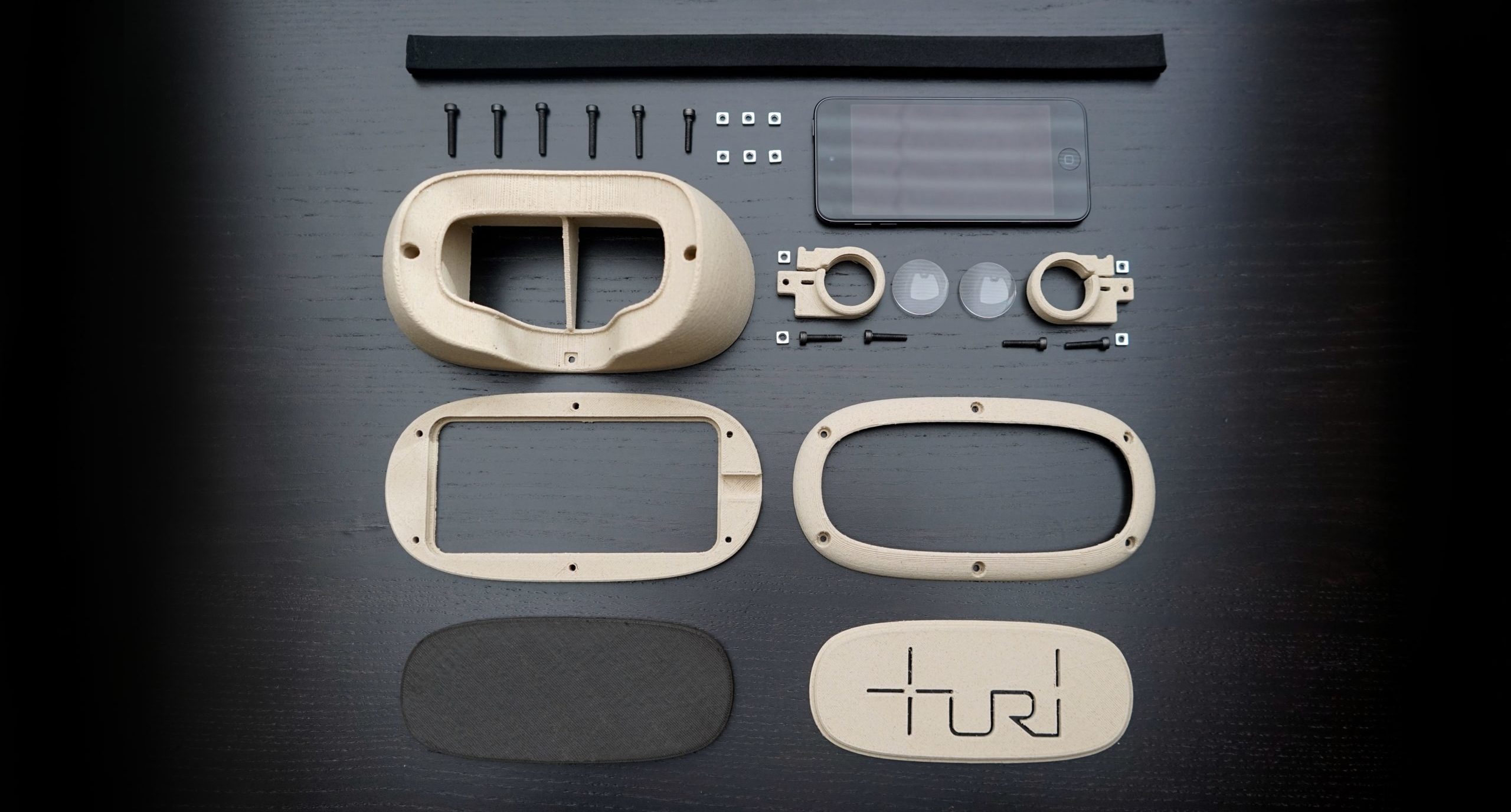
In 2014, I designed a set of mobile VR goggles, entirely 3D printed and based on smartphone technology.
At the time, VR options were limited. Oculus development kits existed, but were still very limited, while smartphone-based experiments were often fragile and improvised.
I wanted something in between: portable, low-cost and reliable enough to present design work to clients. A customized version was later used for a Toyota Boshoku event during Milan Design Week 2015.
Looking back, the project anticipated a need that would later become central to standalone VR: accessible, immersive and multi-user visualization without heavy external hardware.
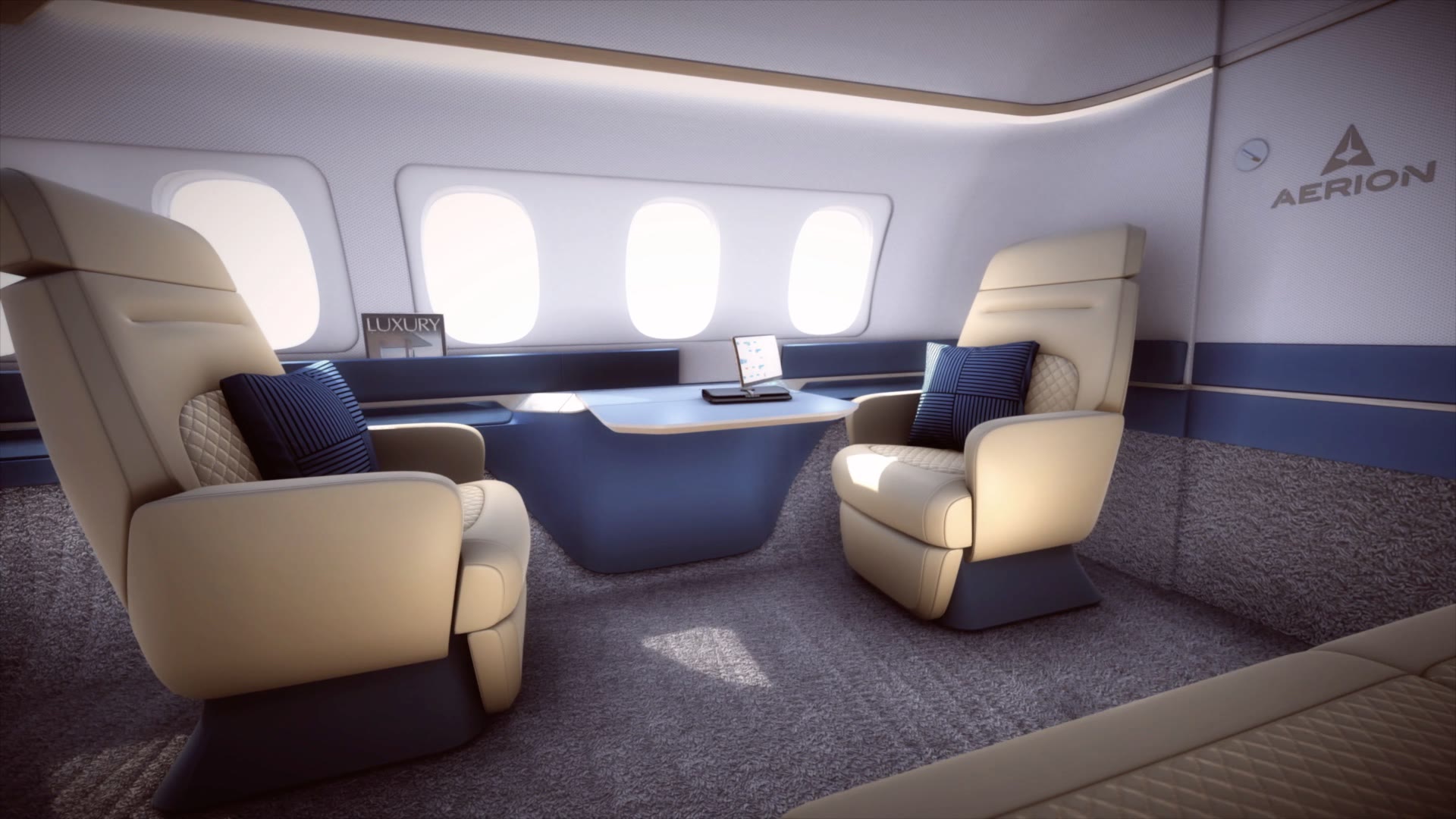
In 2015, I used Unity 5 to create a real-time rendered video for an aviation design project under an extremely tight deadline.
At the time, game engines were not yet part of standard visualization workflows in automotive or aviation. High-quality product videos were still mostly produced through traditional offline rendering.
Using Unity, in its first version with PBR shaders, was a risky technical choice, but it made the process far more flexible and showed how real-time engines could become industrial design tools. Today this is a mainstream vision. At that time, it took courage to choose that path and push the technology close to its limits.
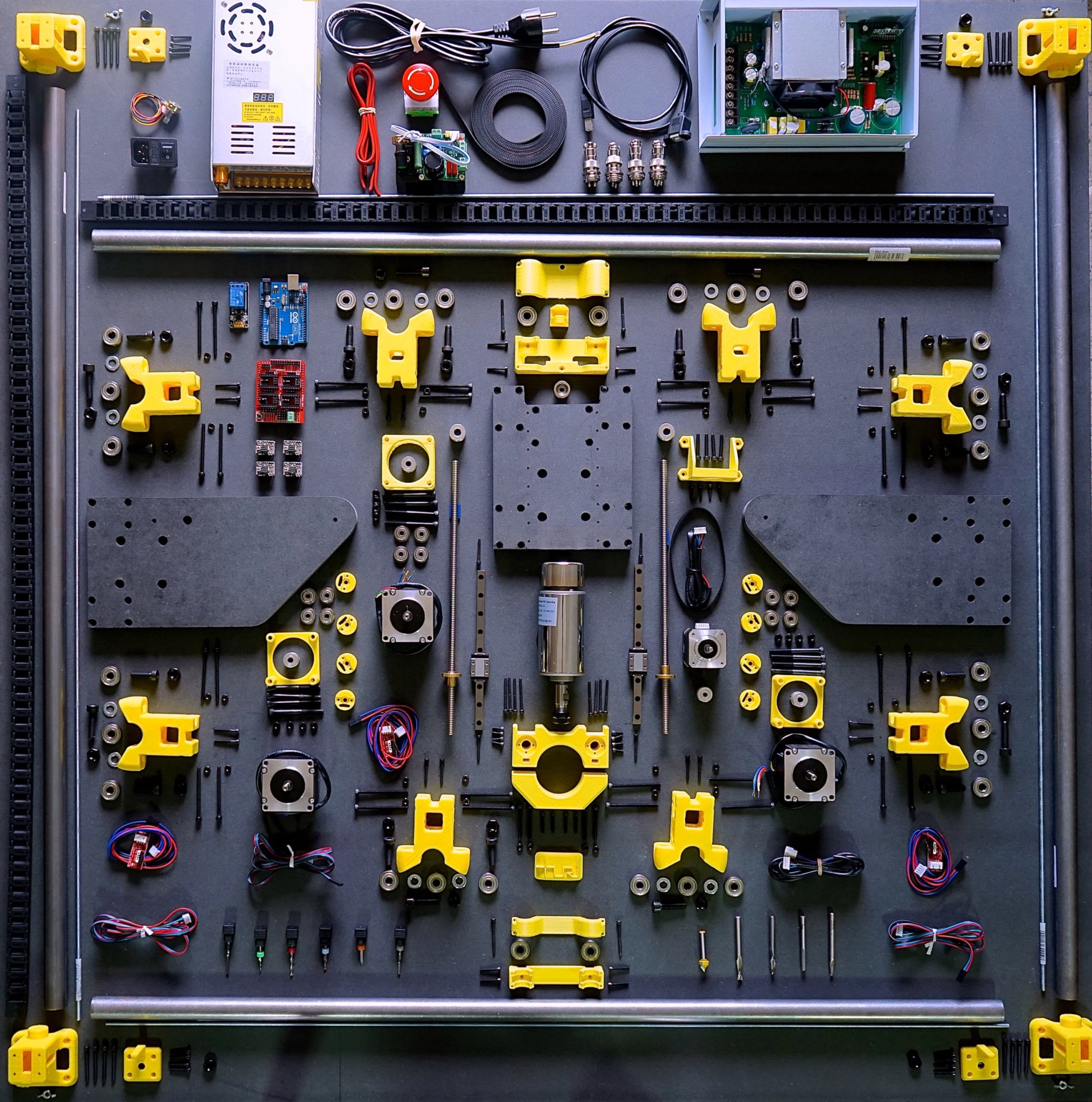
In 2017, I built a large-format three-axis CNC router using off-the-shelf components and many custom 3D-printed parts made with the 3D printer I had designed.
The project started from a simple limitation: 3D printing was useful, but constrained by its own build volume. I wanted to use it not as the final production method, but as a way to fabricate a larger machine.
The result was a working CNC router with a usable cutting area of more than one square meter, later used to produce structural parts for automotive interface prototypes. This approach is still experimental today.
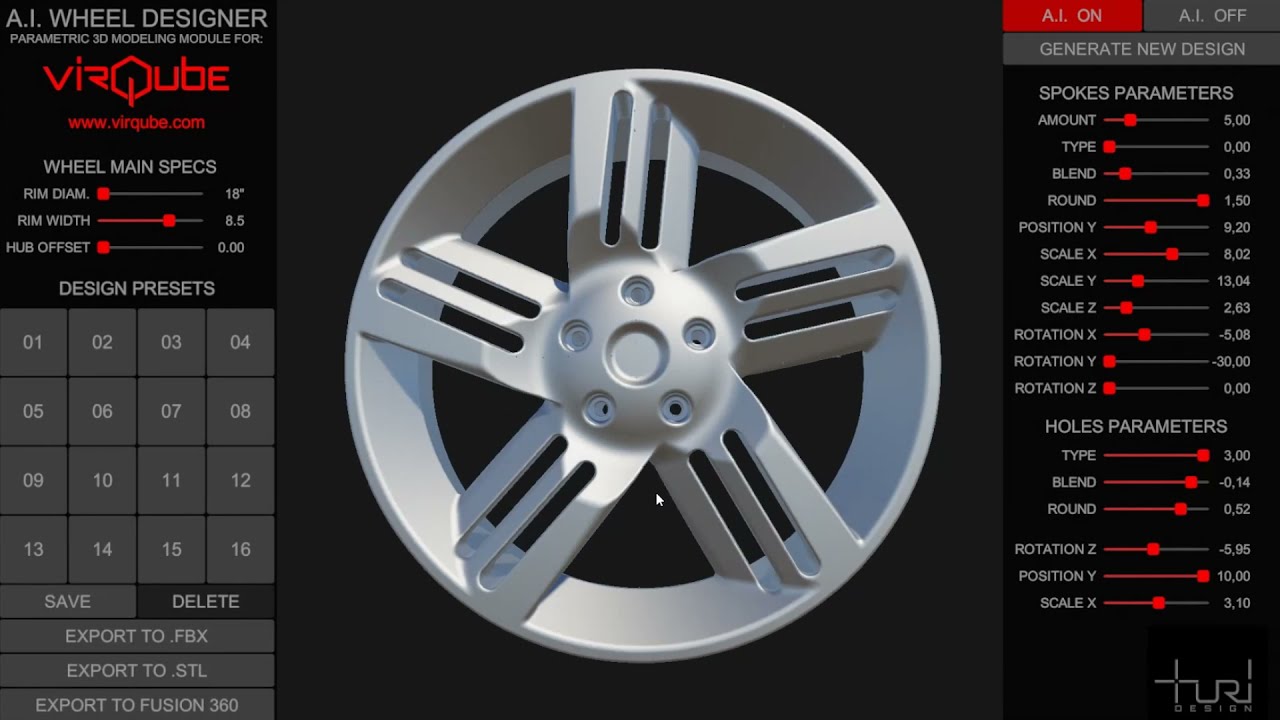
In 2021, I started developing an experimental 3D modeling tool that later became QubeModeler.
The project explored AI-assisted product modeling before artificial intelligence became a mainstream topic in design culture. The goal was not to generate images, but real 3D product variations.
Applied to a car wheel, this early version worked like an advanced configurator capable of producing countless forms in a semi-automatic way. For me, this remains one of the most promising directions for AI in design even today: generating high-quality 3D objects with real structural logic and automatic geometric resolution, rather than focusing only on the description of surfaces.
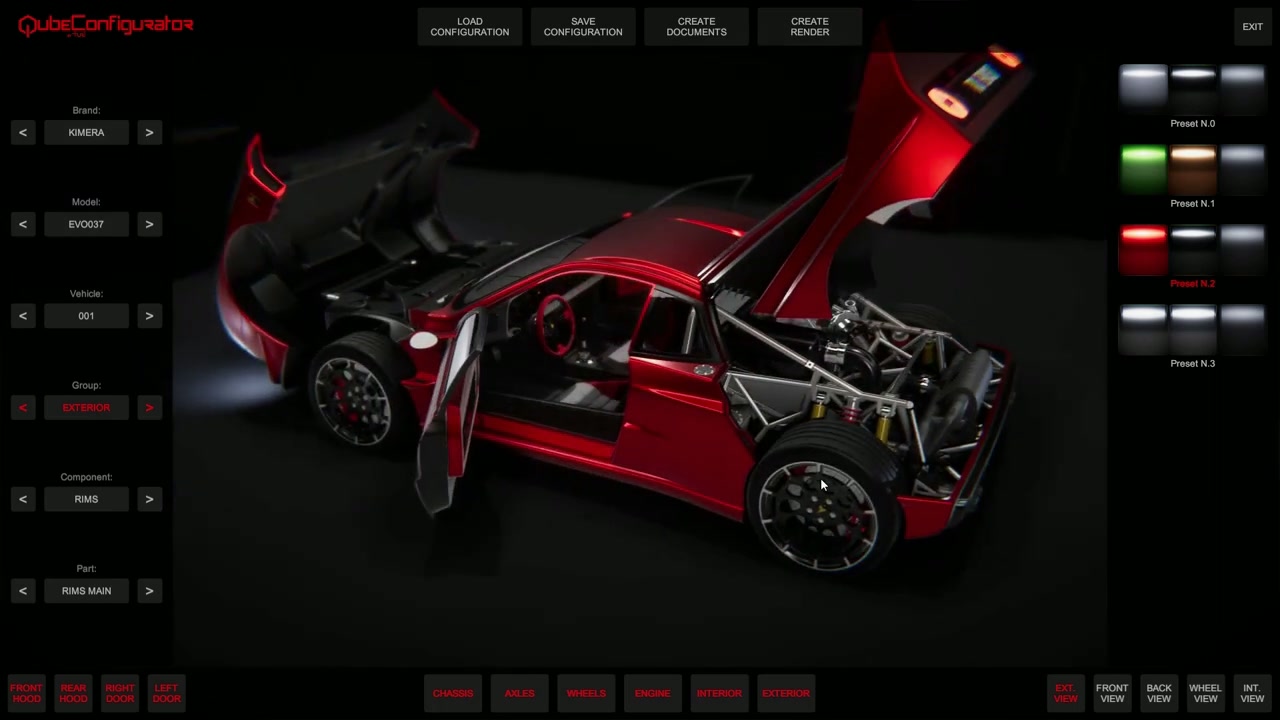
In 2022, I developed an advanced automotive configurator for an Italian company operating in the restomod field.
The vehicle included such a high number of configurable elements that a traditional configurator would not have supported the depth of the project. Instead, the visible car was recreated in real-time 3D from original CAD data.
The user could start from the chassis and progressively rebuild the whole vehicle, component by component, inside a detailed real-time environment, both as a desktop application and as a VR experience. This approach remains rare even today.
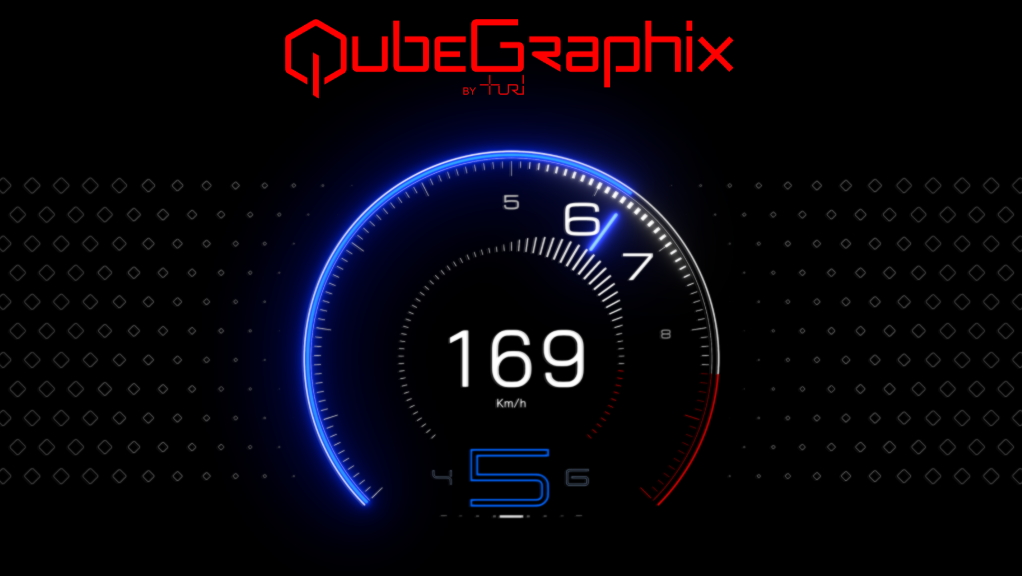
In 2024, I started developing QubeGraphix, a procedural parametric graphics tool born from a specific need in my work on digital experiences, especially automotive interfaces.
I could not find a tool that allowed me to work with the flexibility of procedural graphics inside a natively interactive system, producing prototypes and not only graphics.
That same year, after seeing an early prototype, two automotive OEMs commissioned a series of interface solutions created with this new tool. Today, QubeGraphix is extensively used on all my interface projects. For me, it remains one of the clearest examples of a direction that still feels ahead of its time.

In 2026, while collaborating with Uniphy on its BeyondTouch™ technology, I developed an Integrated Design Twin: an evolution of the digital twin from virtual replica to live design environment.
As QubeGraphix and my broader software system matured, the digital twin stopped being only a way to visualise an existing object.
Graphics, 3D models, environments, colours, materials and product configurations could now be changed live, directly inside the virtual scene, turning the digital twin into a design tool. It is a direction I had explored for years, and one that still feels ahead of its time: digital twins not as simulations of what already exists, but as live systems for imagining what could come next.
Get in touch
Let's design the next thing before it becomes obvious.